
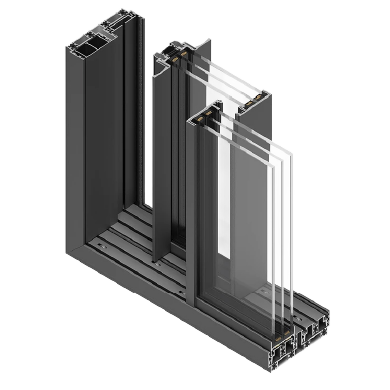
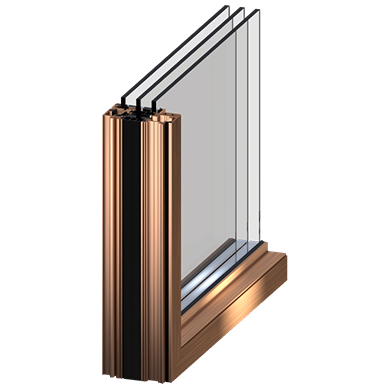
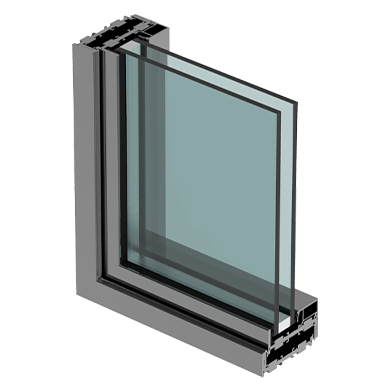
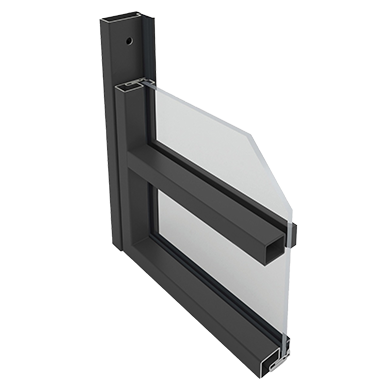
In contemporary construction, the theme of acoustic comfort has become central, especially in high-density urban contexts or near high-traffic infrastructure. Among the most relevant technical elements in containing external noise, window and door systems play a fundamental role, as they are effectively facade elements. Their contribution is not limited to the glass: gaskets, profiles, hardware, and installation joints constitute a complex system, the design of which directly affects the acoustic performance of the building envelope.
Why acoustic comfort is essential in contemporary building projects
Constant exposure to noise sources reduces psychophysical well-being, alters sleep quality, and can generate chronic health effects. Regulations, such as D.P.C.M. 5/12/1997, impose minimum insulation levels for different uses, prompting designers and window manufacturers to intervene precisely even on transparent closures.
Rw and acoustic insulation: the parameters to know for choosing high-performance window systems
The Rw (Weighted Sound Reduction Index) parameter expresses, in decibels, the ability of the window system to reduce airborne noise. A higher Rw value equates to greater insulating performance.
Reference indications:
- Residences, hotels, guesthouses, and similar (categories A, C) ≥ 40 dB
- Offices, recreational / religious activities, shops/commercial activities, and similar (categories B, F, G) ≥ 42 dB
- Schools and educational activities (category E) ≥ 48 dB
- Hospitals, clinics, nursing homes, and similar (category D) ≥ 45 dB
Sound-insulating glass: which characteristics improve noise reduction
Glass is the element with the largest exposed surface. To improve the acoustic performance of the window, it is necessary to use double or triple glazing specifically designed for sound insulation.
Effective solutions include:
- Acoustic laminated glass, with high-performance PVB interlayers
- Panes of different thicknesses, to cover various frequencies
- Air gaps ≥ 16 mm, to increase the decoupling effect
- Use of noble gases, such as argon or krypton, in the internal chamber
Thermal glazing alone does not automatically guarantee good acoustic performance.

Profiles, gaskets, and hardware: what really influences the acoustic performance of a window system
The acoustic behavior of the window system also depends on the quality and continuity of the elements that make up the frame:
- Profiles: stable structures with multiple chambers offer greater resistance to vibrations.
- Gaskets: double or triple gasket systems reduce airborne leakage; the elasticity of the material is crucial.
- Hardware: affects the uniformity of the closure and its airtightness, and therefore the constant seal over time.
The effectiveness of the system is measured by the consistency and quality of every single component.
Certified acoustic installation: why joints make the difference
The contact point between masonry and the window system is often the critical node for acoustic sealing. It is therefore essential to design the installation following stratified criteria (internal/central/external), using:
- Multifunctional tapes
- Elastic sealing materials with controlled expansion
- Point mechanical fixings integrated with acoustic barriers
Installation according to UNI 11673 ensures that the declared performance of the product is maintained on-site. In this perspective, it is fundamental to rely on systems designed in a coherent and integrated way: the systems provided by Verso, for example, provide configurations with acoustically optimized profiles, which can be combined with laminated glazing and correct technical joints, maintaining effectiveness even in the presence of large glazed areas or sliding systems. A related in-depth look at glazing and thermal insulation is available in the article How thermal break works and why it improves living comfort, available on our blog.
Conclusions: designing acoustic window systems for quiet and high-performance environments
The acoustic insulation of window and door systems requires an integrated approach, involving the selection of glass, profile configuration, the gasket system, and correct on-site installation. In a market where indoor well-being is increasingly central, designing systems capable of guaranteeing certified and lasting performance represents a valuable choice for architects and window technicians.
Verso, through its systems and design support, contributes to defining the solutions most consistent with the project objectives, ensuring predictable and lasting results.