
In recent decades, minimalism has emerged as one of the most influential trends in contemporary architecture. This design philosophy, rooted in simplicity of form and the elimination of excess, is more than just an aesthetic choice—it also addresses the growing needs for sustainability, efficiency, and healthier living spaces. But is minimalism truly the future of architecture? Let’s take a closer look at the phenomenon.
Less is more: the essence of minimalism
The concept of “Less is more,” made famous by architect Ludwig Mies van der Rohe, highlights how reducing decorative elements and making intelligent use of space can create environments that are elegant, functional, and harmonious. In the building industry, this approach translates into clean-lined structures with large glass surfaces that maximize natural light and foster a strong connection with the surrounding environment.
Minimalism and sustainability: a winning combination
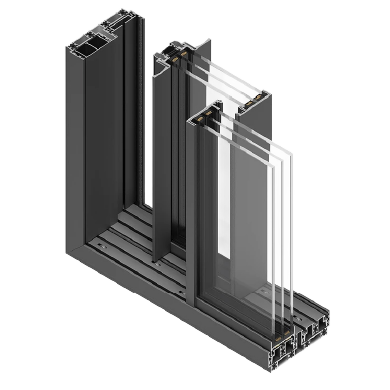
One of the reasons minimalism is gaining ground in the architectural landscape is its close connection to sustainability. Reducing waste, optimizing the use of materials, and prioritizing energy-efficient solutions are among the key principles of this movement. Minimalist sliding aluminum frames perfectly meet this need, offering not only refined design but also high performance in terms of thermal insulation and resistance to the elements.
The importance of natural light and visual continuity
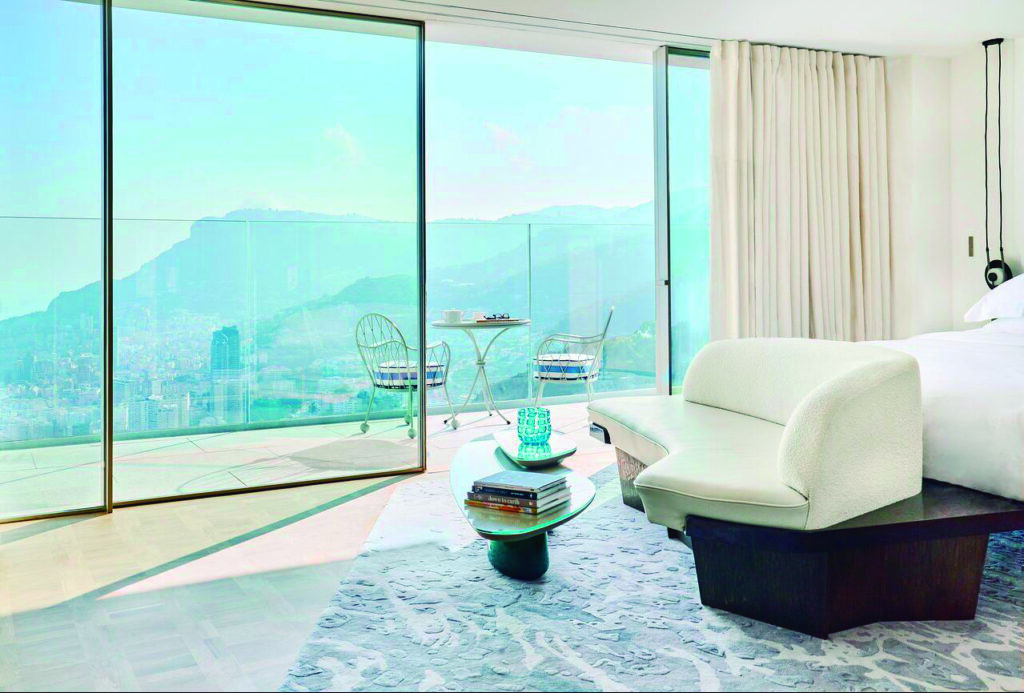
Another cornerstone of minimalism is the strategic use of natural light. Large glass surfaces, often designed with minimalist sliding systems, create a seamless dialogue between indoors and outdoors, enhancing living comfort while reducing the need for artificial lighting. Transparency thus becomes a structural element, emphasizing the lightness of spaces and enhancing the perception of openness.
Materials and technology: the role of innovation
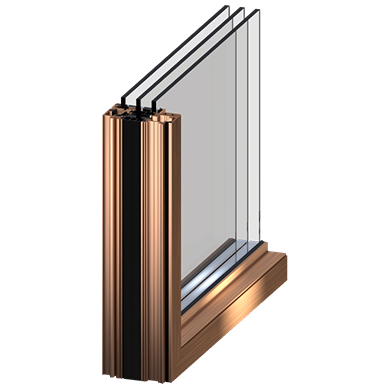
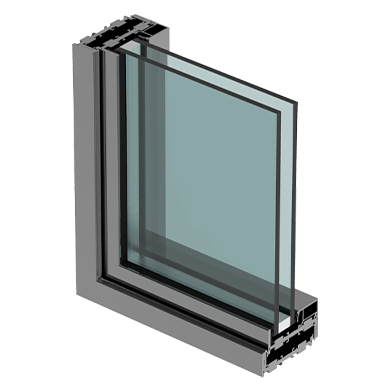
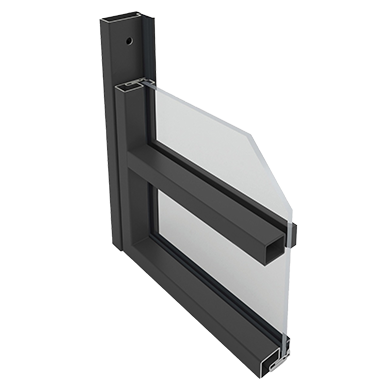
The adoption of innovative, durable, and resilient materials is another factor driving minimalism toward the future. Steel and aluminum, with their slim yet robust profiles, make it possible to create architectural solutions that appear visually light yet deliver high performance. Advanced manufacturing technologies also make it possible to customize every element, meeting even the most ambitious design requirements.
Minimalism and living well-being
Beyond its aesthetic and functional aspects, minimalism promotes greater living well-being. Orderly spaces, free from unnecessary clutter, foster an atmosphere of relaxation and focus, enhancing overall quality of life. In an era where interior design increasingly merges with the concept of mental and physical well-being, minimalism stands out as a winning choice for those seeking a harmonious and balanced environment.
Il minimalismo come paradigma del futuro
Minimalist architecture is not just a trend, but a true paradigm shift that addresses the challenges of modern living. Energy efficiency, sustainability, brightness, and well-being combine in a style that is not just “less,” but above all “more”: more functionality, more innovation, and a higher quality of life.
Verso, with its steel and aluminum window systems, perfectly embraces this philosophy, offering tailor-made solutions that combine aesthetics and high performance. Because the future of architecture also lies in the purity of forms and the essentiality of structures.