
In contemporary architecture, light is no longer just a matter of illumination—it has become a fundamental design element that profoundly shapes the perception of space and the sense of harmony experienced by those who inhabit it.
In an era where sustainability and environmental well-being are of paramount importance, natural light plays an increasingly vital role in shaping architectural spaces.
Why is light so important?
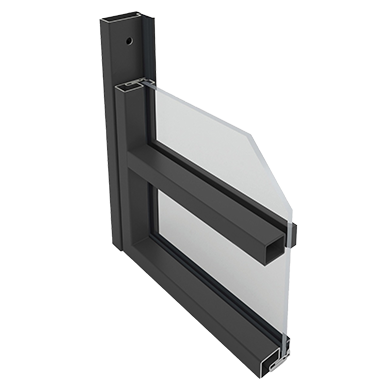
Creating large transparent surfaces has become an increasingly prominent theme among contemporary architects. The challenge lies in maximizing the use of the building’s architectural openings while minimizing frame partitions—thus leveraging the qualities of glass and slim profiles, often made of steel or aluminum.
Valorizzando appieno le caratteristiche dei materiali e la loro composizione, si possono realizzare infissi con ampie superfici vetrate, che permettono alla luce naturale di penetrare profondamente all’interno degli ambienti
Light is not only an aesthetic factor, it has a direct impact on how spaces are perceived and on people’s well-being. It highlights specific architectural features, emphasizes the beauty of details, and creates welcoming, comfortable atmospheres.
Natural light, in particular, is essential for human health and well-being, as it helps regulate circadian rhythms and enhances the overall quality of indoor environments.
Which type of window system should you choose to make the most of natural light?
Choosing the right window system is essential to make the most of natural lighting in buildings.
It is important to take into account several factors, including the type of glass used, the solar factor, the type of coating, and other elements that can affect comfort and well-being within the indoor environment.
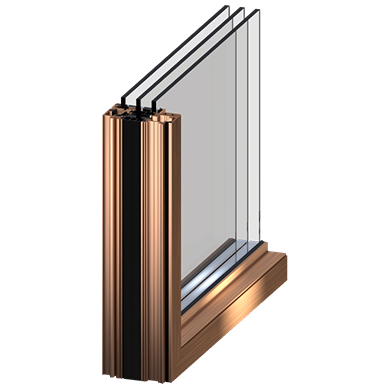
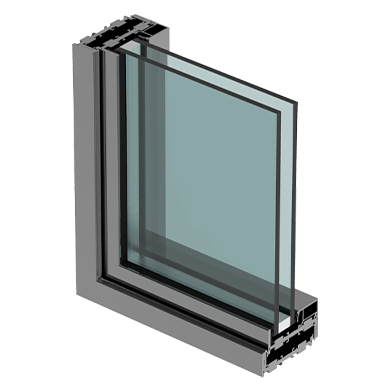
High-performance glazing ensures proper transmission of natural light while simultaneously blocking excess heat and harmful UV rays, creating a healthier and more comfortable indoor environment.
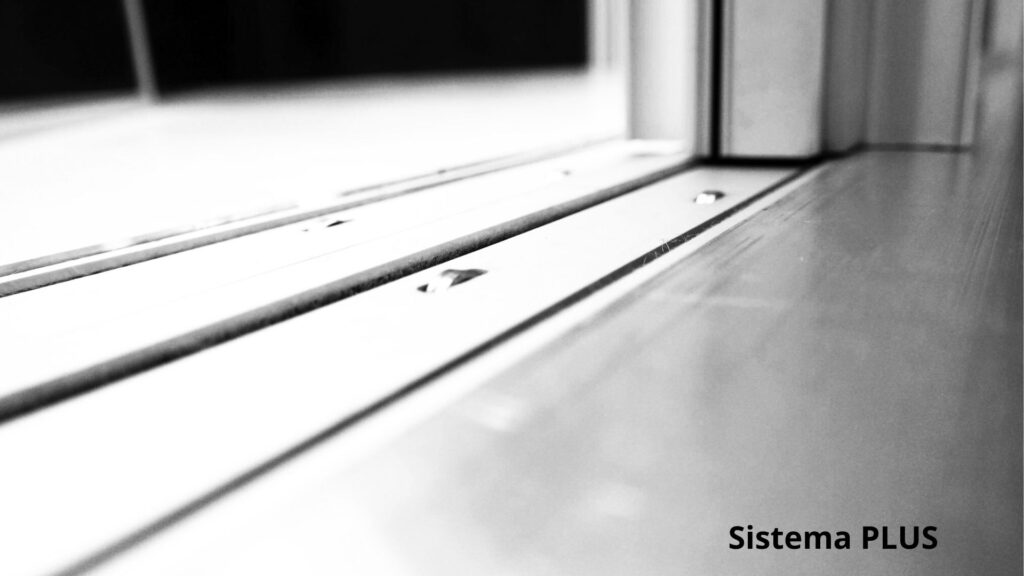
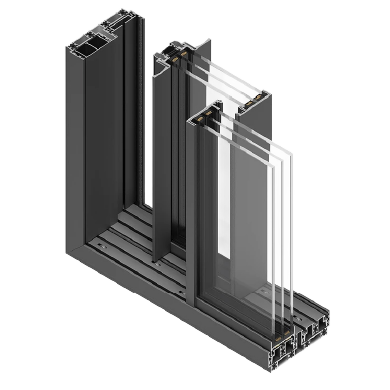
I vantaggi tecnici derivanti dall’utilizzo di serramenti ad alta efficienza energetica sono notevoli. Le moderne tecnologie, come il nostro Sistema Plus, consentono la realizzazione di vetrate di grandi dimensioni, fino a 18 metri quadrati per singola lastra vetrata, grazie ad un equilibrato sistema di sostegno e scorrimento delle ante. Questo permette di creare spazi luminosi e aperti, che favoriscono la connessione con l’ambiente esterno e migliorano la fruibilità degli spazi abitativi.
The Plus System, in particular, is distinguished by an innovative design both at the bottom and top, which makes all elements perfectly aligned with the construction materials, such as the floor and ceiling. It ensures exceptional performance in terms of water tightness, air resistance, and boasts a high capacity to withstand wind stress.
In conclusion, the role of light in contemporary architecture goes far beyond the mere function of illumination. It is a design element that allows for the creation of different atmospheres and scenarios in relation to the functionality of spaces and personal needs.
Maximizing natural light requires adequate control of solar illumination, and for this reason, the use of high-performance windows and doors not only improves the energy efficiency of buildings, but also helps create healthier, more comfortable, welcoming, and beautiful living environments.
Light is something that cannot be reproduced but must be represented through something else, through color. I was pleased with myself when I discovered this.” – Paul Cezanne