
In contemporary building design, energy efficiency and living comfort play an increasingly central role. Among the construction elements that most affect the performance of the building envelope, windows and doors occupy a prominent position. In particular, thermal break technology in window and door systems has marked an important evolution, becoming today an essential standard for those who design high-performance and sustainable buildings.
Why Was Thermal Break Technology Introduced in Windows and Doors?
The growing focus on building energy efficiency has profoundly changed the way windows and doors are designed and selected. In the past, the choice of frames was mainly based on aesthetic considerations and basic functions: mechanical strength, brightness, security, and acoustic insulation.
With the evolution of regulations—from the EPBD Directive to the Minimum Environmental Criteria (CAM) and up to the most recent requirements for NZEB (Nearly Zero-Energy Buildings)—energy performance has become an essential design requirement.
Thermal break technology was developed precisely to meet this new requirement, providing a technical solution to reduce heat loss and improve indoor comfort.
What Is Thermal Break and How Does It Work in Frames?
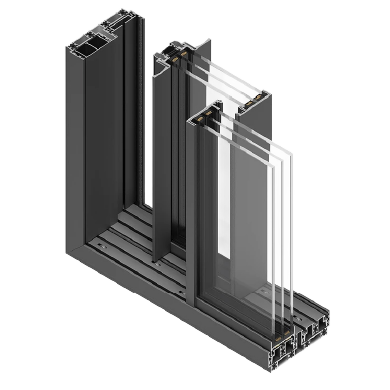
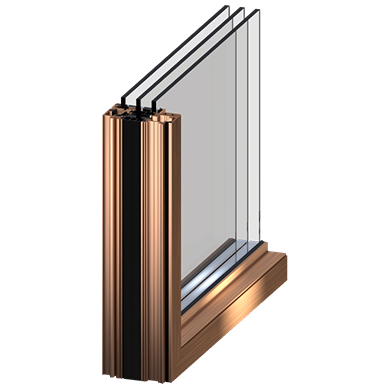
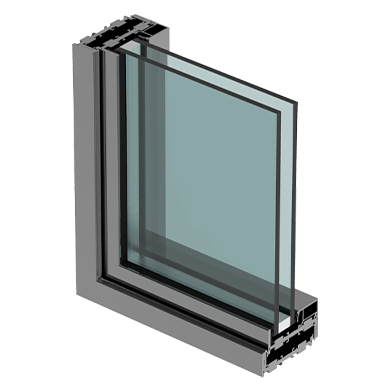
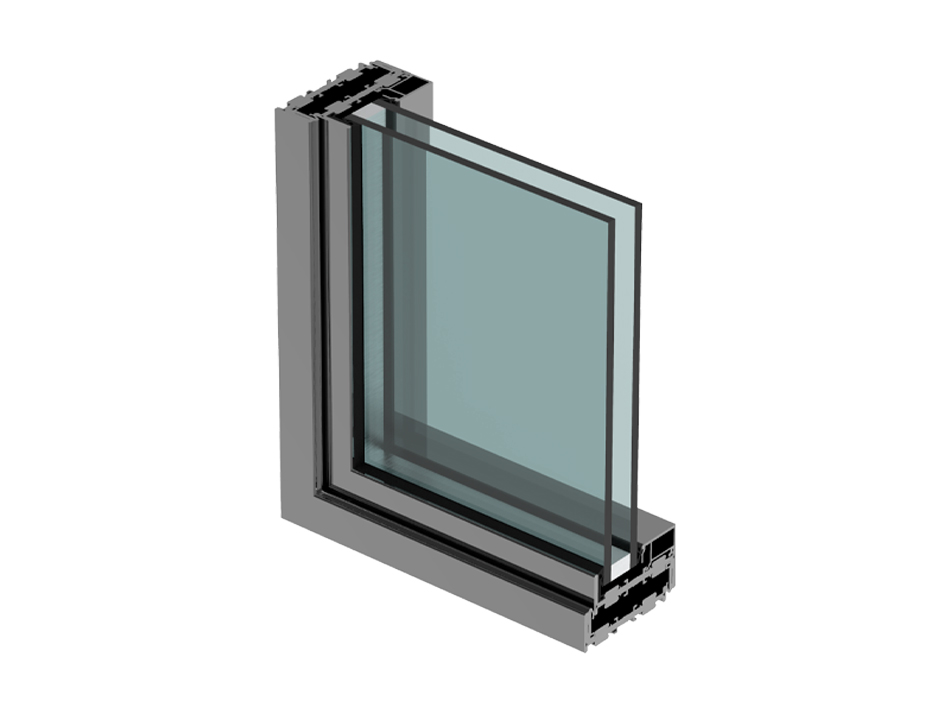
Thermal break consists in interrupting the continuity of the metal within the frame profile by inserting a low-conductivity material between the inner and outer parts of the frame. This technical principle is now the basis of all high-performance metal systems.
In addition to the polyamide conductive barrier, another aspect—often less emphasized but highly impactful on performance—is the air chamber between frame and sash. This creates a natural cavity subject to thermal variation between the indoor and outdoor environments. When properly designed, this space contributes to the overall insulating effect, acting as an additional thermal barrier.
Moreover, in frames designed for high performance, the reduced sightline of the profiles is not only an aesthetic choice: a smaller surface exposed to the outside means less thermal transmission through radiation and conduction, especially in contexts with high temperature variations. Optimized section design, balancing minimal aesthetics with structural strength, is also an integral part of the system’s energy performance.
Which Materials Are Used for Thermal Break in Frames?
Il materiale più diffuso per la realizzazione del taglio termico è la poliammide rinforzata con fibra di vetro, scelta per la sua bassa conducibilità termica, elevata resistenza meccanica e stabilità dimensionale anche in presenza di forti escursioni termiche.
In recent years, research has led to the development of additional solutions to further optimize performance:
- Polyamide strips of varying widths, adaptable according to performance requirements.
- Polyurethane insulating foams or composite materials within the profile chambers.
- Aerogel inserts or other high-insulating materials, for high-performance frames.
Profile design and the choice of thermal break section are fundamental elements to ensure the achievement of the intended energy goals.
Improved Energy Performance Thanks to Thermal Break
The introduction of thermal break technology has enabled a significant reduction in the thermal transmittance (Uw) of frames.
Indicative values:
- Non-insulated metal frames: Uw above 5 W/m²K
- Standard thermal break frames: Uw between 1.5 and 2.5 W/m²K
- High-performance frames: Uw below 1.0 W/m²K (with high-performance glazing)
In contexts such as NZEB buildings or particularly harsh climate zones, these figures can make the difference between meeting or failing to meet legal requirements.
In addition, thermal break contributes to:
- Improving the internal surface temperature of the frame
- Reducing the risk of surface condensation
- Increasing indoor radiant comfort
- Limiting summer overheating by conduction

Regulatory Requirements: What the Law Says About Thermal Break Frames
Current regulations impose increasingly strict parameters on the thermal performance of frames. The EPBD Directive, transposed in Italy with Legislative Decree 192/2005 and subsequent updates, has set precise limits on the thermal transmittance of both opaque and transparent elements of the building envelope.
In addition:
- The CE marking (UNI EN 14351-1) requires the mandatory declaration of energy performance.
- The Minimum Environmental Criteria (CAM) also set minimum requirements regarding the sustainability of the materials used.
- Tax incentives (Ecobonus) require Uw values that comply with current standards.
The choice of a certified thermal break system therefore becomes an essential condition to ensure regulatory compliance and access to incentives.
Home Comfort: Why Choose Frames with Thermal Break
Beyond legal requirements, thermal break directly contributes to improving living quality.
The main benefits perceived by end users include:
- Reduced energy loss and consequent savings on energy bills
- No more cold-wall sensation near windows and doors
- Lower risk of condensation
- More even thermal comfort throughout indoor spaces
- Greater material durability thanks to reduced thermal stress on profiles
Conclusion: The Design Value of Thermal Break in Window and Door Systems
For architects and designers, thermal break is no longer just a simple technical device, but a true design lever to achieve high performance standards and architectural quality.
For frame manufacturers, it becomes a distinctive element to highlight in both commercial and technical proposals, providing a product aligned with current regulatory, energy, and comfort expectations.
In a building context increasingly focused on sustainability and indoor well-being, the choice of thermal break frames proves to be an indispensable solution for any quality project.